Diagnosis & supply
Water Pressure Problems
Weak showers, taps that barely trickle, pipes that bang and surge, or mains pressure so strong it strains the fittings, water pressure faults are frustrating and can point to a problem worth fixing properly. We find the cause and put it right.
What water pressure problems actually look like
Water pressure is the force that pushes water through your pipes to the taps, the shower and your appliances. At the right level you never notice it. When it falls away, simple jobs turn into a slog: the shower loses its punch, the washing machine crawls to fill, and running two taps at once leaves both weak. When it runs too high, taps spit, the pipes knock as a tap shuts, and fittings and flexible hoses wear out before their time.
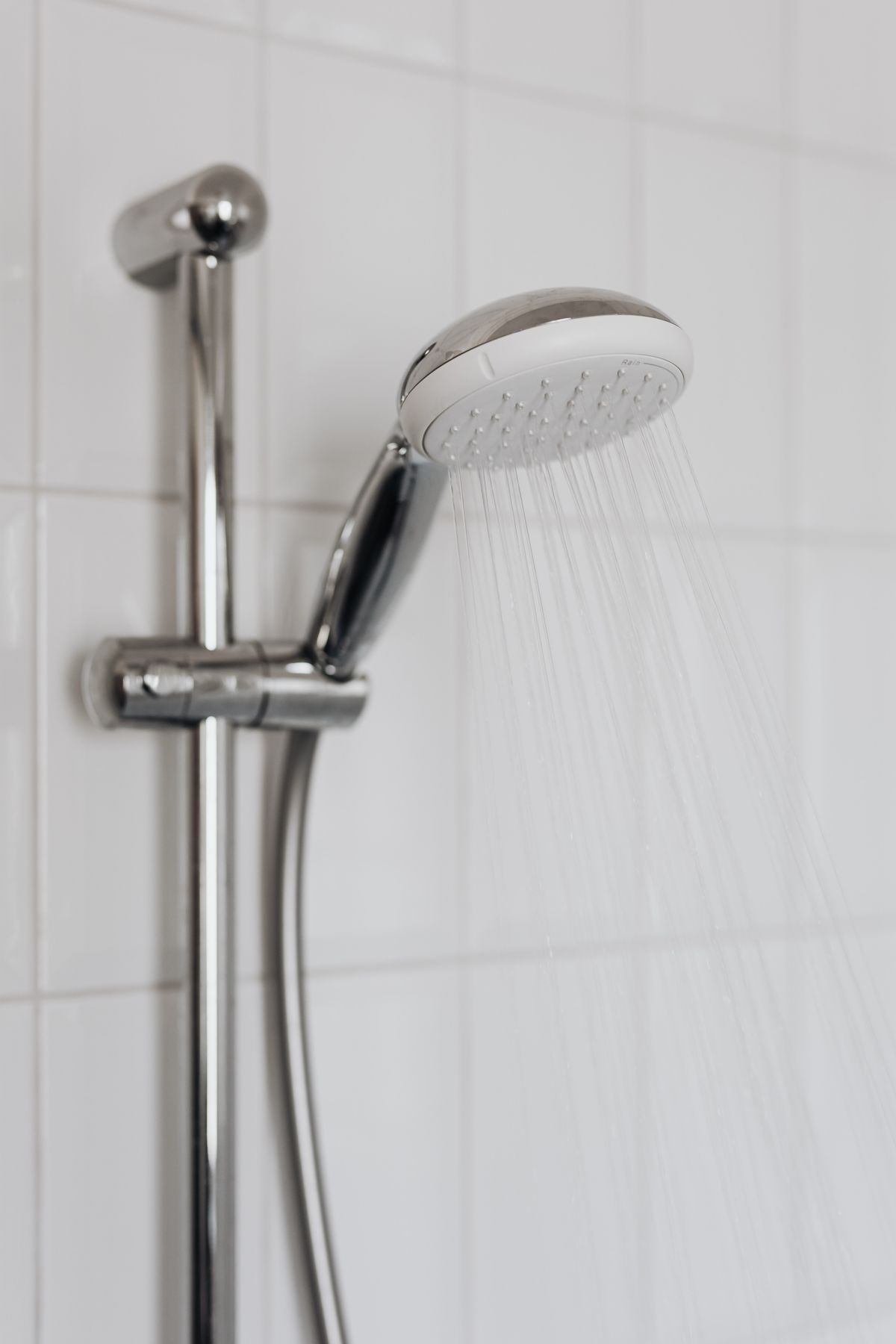
How your home is fed shapes both the symptoms and the likely cause, so it is one of the first things we check. Many UK homes draw straight off the mains at the kitchen cold tap, while older properties run on a gravity system with a storage tank in the loft. The distinction matters: scale in a valve and a hidden leak can both weaken a shower, but they call for very different repairs.
Three patterns
Is your pressure too low, too high or all over the place?
Low pressure
Taps and showers that run weakly, appliances that fill slowly, and a clear drop the moment a second outlet opens. This is the complaint we hear most, with causes ranging from a half-closed valve to a leak you cannot see.
High pressure
Taps that spray, a sharp knock in the pipes when they shut, and fittings or hoses that give out early. Too much mains pressure strains the whole system and is worth bringing back within a safe range.
Fluctuating pressure
Flow that surges and fades, or changes the instant another tap opens. This usually points to an airlock, a valve on its way out, or a supply shared under heavy demand.
What causes it
Why has my water pressure changed?
Pressure faults seldom have one universal culprit. Much of the job is working through the possibilities and ruling each out until the real cause is clear. The usual suspects are:
- A stopcock or isolation valve left part closed and throttling the flow
- A problem on the water company's side of the supply
- A hidden leak drawing water off before it reaches your taps
- Limescale narrowing pipes, valves and shower parts
- A worn pressure-reducing valve or a failed tank float valve
- Airlocks left in the pipework after works or a drain-down
- Corroded or undersized old pipe slowly choking the flow
Whole house, or just one tap?
One quick check before you contact us saves time. If every tap runs poorly, the cause is likely on the incoming supply, the stopcock or a system-wide fault. If only one tap or shower is weak, the trouble is usually local to that fixture: a clogged aerator, a scaled cartridge or a failing valve.
Tell us what you find and we can turn up better prepared.
What to do while you wait
Most pressure problems are not emergencies, but a few steps keep you safe and give us something useful to work from:
- Check your stopcock is fully open. A half-turned valve is a surprisingly common cause of weak flow.
- Ask a neighbour whether their pressure has changed too. A shared drop usually means a supply issue to report to your water company.
- Look and listen for a leak: damp patches, the sound of running water, or a bill that has crept up for no reason.
- If the pressure suddenly surges and the pipes bang hard, close the affected outlet and watch the joints for any sign of weeping.
If the change comes with water escaping, a joint weeping, a damp ceiling or running water you can hear but not see, treat it as a leak. Turn off the supply at the stopcock and email us straight away.
How we put it right
How do you find and fix the fault?
A repair only lasts if it starts with the right diagnosis, so we work through the system in a set order.
Establish the system
We confirm whether the home runs on mains or a gravity-fed supply, check the stopcock and incoming pressure, and work out whether the problem affects the whole house or a single fixture.
Trace the cause
We test the valves and fittings, look for scale, airlocks and restrictions, and rule out a leak. Where one is likely, we can arrange water leak detection to pin it down.
Repair and verify
We clear restrictions, repair or replace faulty valves, or fit a pressure-reducing valve where the mains runs too high, then test the result at the affected outlets before we leave.
Because the cause decides the work, we price the job once we have seen it rather than quoting blind, and you can start that through our request a quote page or by email. A sudden drop in pressure is a classic sign of a leak, so where it points that way we move on to leaking pipe repairs, and a weak shower is often a pressure problem in disguise, covered on our emergency shower repairs page.
Frequently asked questions
Water pressure, answered
Why has my water pressure suddenly dropped?
A sudden drop usually points to a specific fault rather than gradual wear. Common causes include a partly closed stopcock, a problem on the water company's supply, a hidden leak losing water before it reaches your taps, or an airlock in the pipework. If pressure falls across the whole property at once, check with your water supplier first, then have the internal plumbing inspected if the issue is on your side of the stopcock.
Is low water pressure an emergency?
Low pressure on its own is usually an inconvenience rather than an emergency. It becomes urgent when it is caused by a hidden leak, which can damage the building, or when it leaves you with no usable water. If you also notice damp patches, the sound of running water or an unexplained rise in your bill, treat it as a possible leak and contact us for help promptly.
Can high water pressure damage my plumbing?
Yes. Pressure that is too high stresses joints, fittings, flexible hoses and appliance valves, and can cause dripping taps, banging pipes and premature failures. Where mains pressure is consistently high, a pressure-reducing valve can be fitted to bring it within a safe working range and protect the system.
Do you fix both low and high pressure problems?
Yes. We diagnose low, high and fluctuating pressure and recommend the right remedy, whether that is clearing a restriction, repairing a leak, servicing or replacing a faulty valve, or fitting a pressure-reducing valve. The approach depends on whether your home is on a gravity-fed or mains-pressure system, which we check as part of the diagnosis.
Struggling with your water pressure?
Email our team to talk through what you are experiencing, or request a call back and we’ll arrange for the cause to be diagnosed and put right.