Emergency repairs
Emergency Shower Repairs
A shower that leaks, runs cold, scalds without warning or barely trickles is more than an annoyance, and a leak you cannot see can quietly damage the room below. We diagnose the fault and restore a safe, steady shower.
What goes wrong
What goes wrong with a shower?
A shower brings together water, pressure, temperature control and a sealed enclosure, so there is plenty that can go wrong. These are the faults we are called out to most.
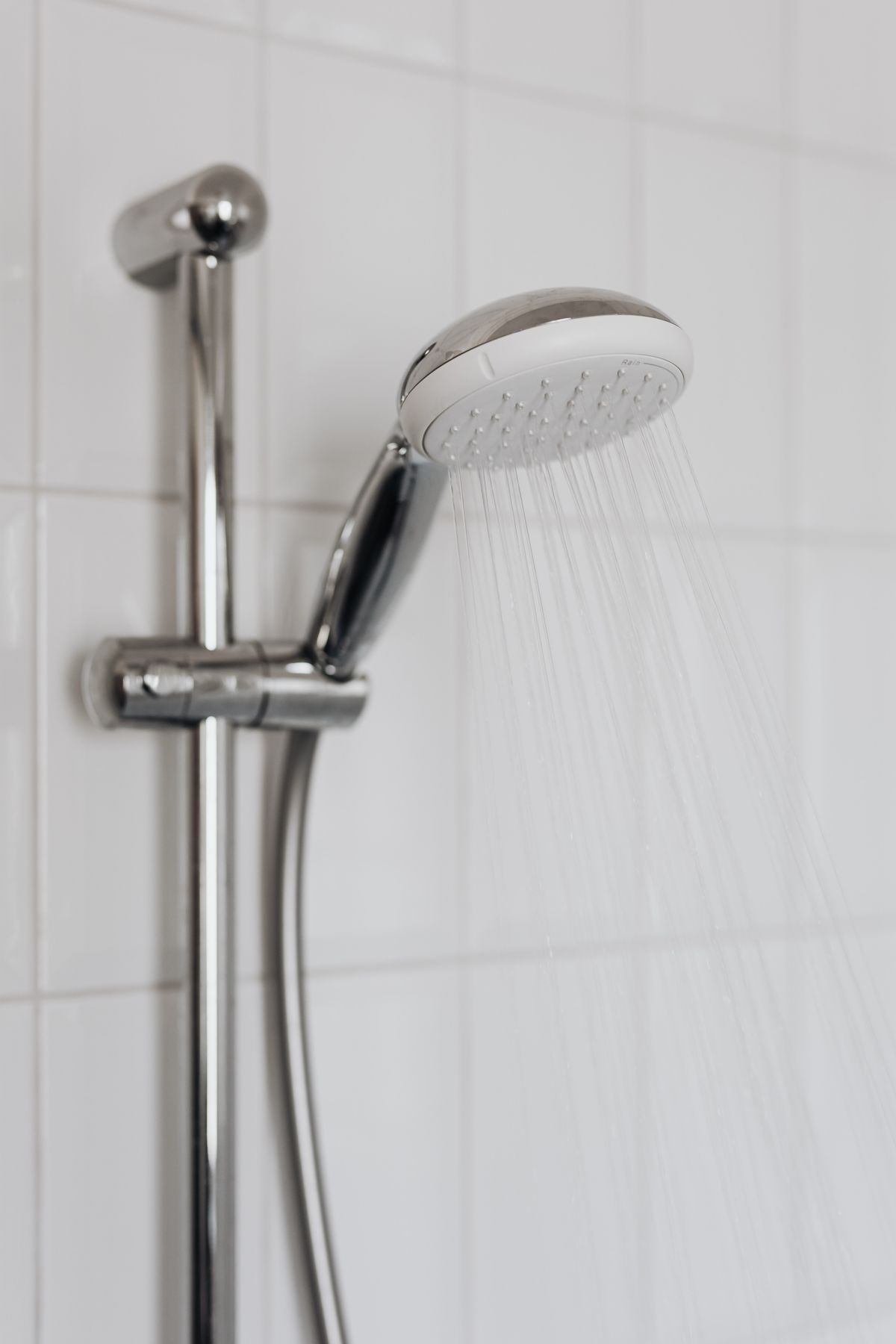
Leaks
Water escaping from the valve, the pipework behind the wall, or tired seals around the tray and enclosure, often showing up first as a stain on the ceiling below.
No or low flow
A shower that has stopped, or faded to a weak trickle, down to a faulty valve, a build-up of scale, an airlock or a wider pressure problem.
Temperature faults
Water that swings hot and cold, never warms up, or runs too hot, usually a worn or scaled mixing cartridge, or pressure shifting elsewhere in the house.
Valve failures
Stiff or seized controls, a diverter that refuses to switch, or a mixer valve that drips without stopping. Wear and limescale are the usual culprits.
Trays & enclosures
Water pooling on the floor from a cracked tray or perished seals around the screen, letting it escape the showering area and reach the structure.
Slow-draining trays
Water rising around your feet because the waste or trap is clogged with hair and soap, which can also push water over the edge of the tray.
What to do while you wait
A shower fault turns urgent the moment water is escaping or electrics are in the mix. Until we arrive:
- Stop using the shower and isolate its water supply, or close the main stopcock if you cannot isolate it locally.
- With an electric shower, do not touch the unit if it is sparking, smells of burning or has a damaged casing. Switch it off at the consumer unit and keep clear.
- If water is reaching a light fitting or the room below, stay out of the affected area and switch off the electricity when it is safe to do so.
- Mop up standing water and lay towels down so it cannot spread into the flooring or the ceiling beneath.
An electric shower brings mains water and mains electricity together, so treat any electrical fault with real care. We look after the plumbing, and where an electrical repair is needed we will say so plainly, so a qualified electrician can take care of that part.
Diagnosis & repair
How do you find the real cause?
A shower fault can have more than one possible cause, and the symptom rarely points straight at the source. Weak flow, for instance, might be scale in the valve, an airlock, or a wider pressure problem across the property. We work through the shower from the supply to the head so we fix the right thing first time rather than guessing.
When the trouble turns out to be flow or temperature across the whole house rather than the shower on its own, we step back and look at the bigger picture. There is more on that on our water pressure problems page.
- Check the supply, the pressure and the isolating valves
- Inspect the mixer or thermostatic cartridge for wear and scale
- Trace leaks to the valve, the pipework or the tray and enclosure seals
- Repair or replace the faulty part and reseal where needed
- Test the flow, the temperature and the seals before leaving
Once we have seen the fault we can give you a clear price, and you can set the work going through our request a quote page or by email.
A shower that is part of a bigger picture
Showers rarely sit on their own. A leak behind the wall may be fed by the same pipework that serves the basin and bath, and a failed seal can affect the whole wet area. If the shower is one of several bathroom faults, our emergency bathroom plumbing page covers the wider picture.
We also handle the full range of shower types, from mixer and thermostatic valves to electric units and tray wastes, so we can advise on the right fix rather than the quickest one.
Whatever the fault, the aim stays the same: a safe shower, a watertight enclosure and a repair that lasts.
Frequently asked questions
Shower repairs, answered
Why does my shower keep running hot and cold?
Sudden swings in temperature are often caused by a worn thermostatic cartridge in the shower valve, or by pressure changing when another tap or the toilet is used elsewhere in the house. Scale build-up inside the valve can also affect how it mixes hot and cold. We check the valve and the supply to find the cause and restore a steady, safe temperature.
My shower has stopped producing water. Is it the plumbing?
It can be. No flow may be down to an isolated or failed valve, an airlock, a blockage of scale, or a wider loss of water pressure in the property. We trace the fault from the supply through to the shower head. If it is an electric shower unit that has failed electrically, that may need an electrician, and we will tell you if that is the case.
Water is leaking from my shower into the room below. What should I do?
Stop using the shower and isolate the water to it, or turn off the main stopcock if you cannot isolate it locally. Keep clear of any electrics the water may reach and switch off at the consumer unit if needed. A shower leaking downwards usually comes from a failed tray or enclosure seal, or from the pipework behind the wall, so contact us for help to trace and repair it before it damages the ceiling below.
Can you repair the shower tray and enclosure seals too?
Yes. Many shower leaks are not from the pipework at all but from failed seals around the tray, the enclosure or the screen, which let water escape onto the floor and into the structure. We check and reseal these as part of the repair so the showering area is watertight again.
Shower leaking or not working?
Email our team for immediate help and safety guidance, or request a call back and we’ll arrange for the shower to be diagnosed and repaired.