Stop the water, limit the damage
Burst Pipe Repairs
A burst pipe is one of the most urgent plumbing problems there is. Under mains pressure, a split pipe can flood a room in minutes and cause damage that takes far longer to repair than the pipe itself. We isolate the supply, contain the water and carry out a secure repair for homes and businesses across our confirmed UK service areas.
Burst pipe right now? Do this first
If a pipe has just gone, the first few minutes matter more than anything else. Work through these steps in order before you do anything else:
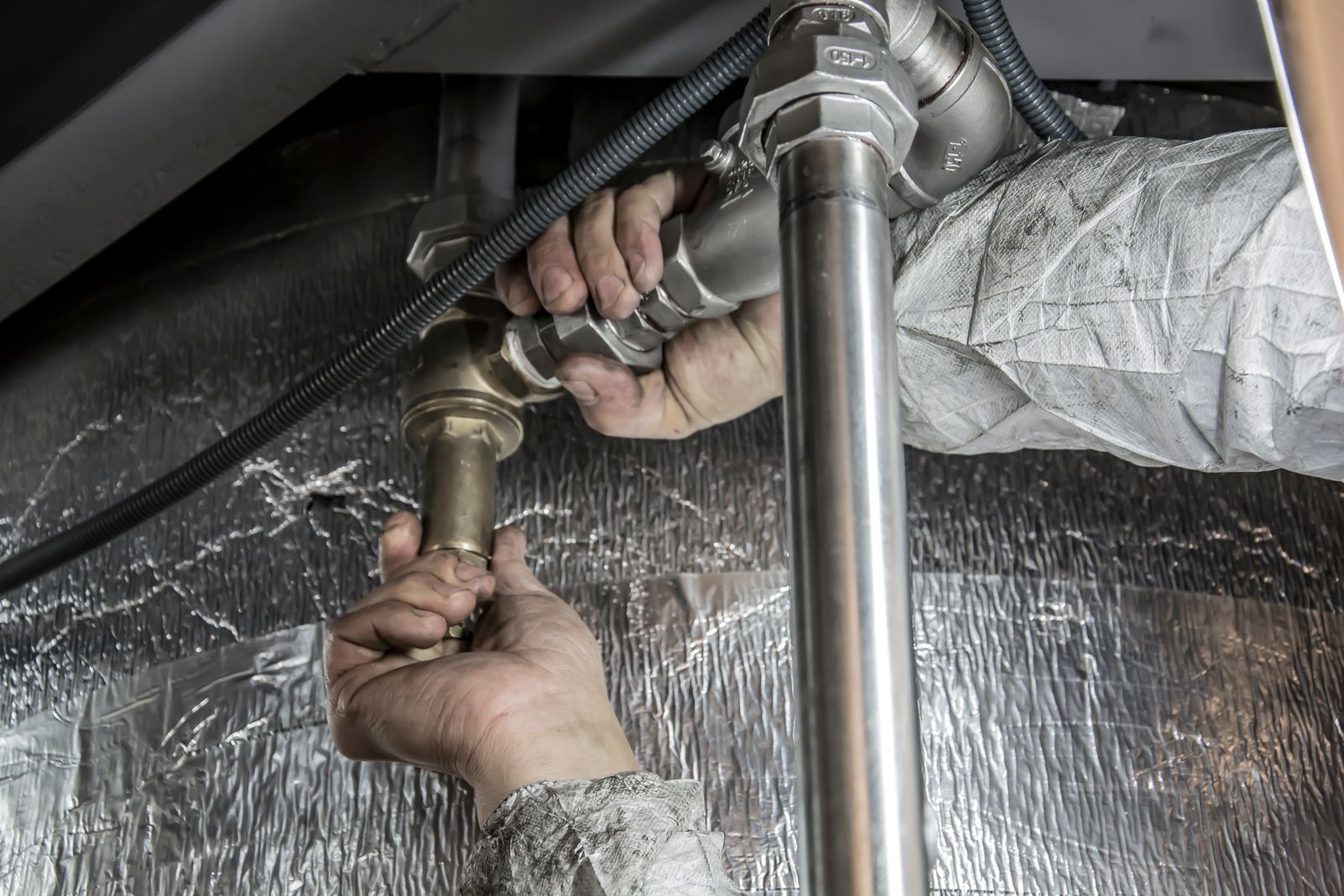
- Turn off the water at your internal stopcock. If you are not sure where it is, our guides to turning off your water supply and finding your stopcock will point you to it.
- Open the cold taps around the property to drain the system and relieve the pressure.
- Switch off the electrics at the consumer unit if water is anywhere near wiring, sockets or light fittings.
- Contain and protect, catch the water, roll back rugs and move furniture and valuables clear.
- Get in touch and describe what has happened, so we can advise you and arrange the repair.
If a ceiling is bulging with water, keep well clear, as it can give way. And if you smell gas, leave the property and call the National Gas Emergency Service on 0800 111 999.
Spotting the signs
How can you tell a pipe has burst?
Sometimes it is unmistakable, with water pouring from a ceiling or pooling across the floor. More often the first clues are quieter, especially where the pipe runs out of sight under floorboards or inside a wall. Look and listen for:
- A sudden drop in pressure at the taps
- Damp patches, staining or bulging on ceilings and walls
- The sound of running water when no tap is open
- A water meter still ticking over with everything switched off
- A water bill that has jumped for no obvious reason
If water is clearly escaping but you cannot see where from, it may be tracking behind a wall or under a floor. Professional leak detection pinpoints the source without opening up more than it has to.
Why does a burst need stopping fast?
Escaping water does not stay put. It runs along joists, soaks into plaster and insulation, lifts flooring and can reach electrics. Beyond the immediate mess, damp that lingers feeds mould and can rot structural timber. Shutting the flow off quickly and repairing the pipe properly is what keeps a burst from turning into a far larger and more expensive job.
Why pipes fail
What makes a pipe burst in the first place?
Knowing why a pipe went helps us repair it in a way that lasts, and helps you lower the odds of it happening twice.
Freezing
Water expands as it freezes, splitting pipes in lofts, garages and other cold spots. See how to prevent frozen pipes.
Corrosion
Older metal pipework corrodes from the inside, thinning the wall over the years until it finally fails.
Pressure
High or surging mains pressure keeps stressing joints and weak points until one of them lets go.
Age and movement
Years of use, ground movement and the odd accidental knock loosen fittings and fatigue the pipe.
The repair
How we put a burst pipe right
Isolate and assess
We confirm the supply is off, locate the burst and check the pipework around it along with any water damage.
Repair or replace
We cut out the damaged section and reinstate it with the right fittings, or renew a longer run where the pipe is past a single repair.
Restore and test
We turn the supply back on, check for leaks and run the system under pressure before leaving the area clean and tidy.
Afterwards
Stopping it happening again
Once the repair is done, a few sensible habits make another burst less likely. Lagging pipes in unheated spaces protects them through winter. Leaving a low background heat on during a cold snap helps, and so does knowing where your stopcock is so you can act fast next time. Where old pipework has already failed once, replacing a tired run before it fails again is usually money well spent.
A burst is sometimes the final act of a longer-running problem. If you noticed damp or a steady drip beforehand, it is worth reading about leaking pipe repairs and the signs of a hidden water leak.
Frequently asked questions
Burst pipes, answered
How quickly can a burst pipe cause damage?
A burst pipe under mains pressure can release a large volume of water in a very short time, soaking floors, ceilings and plaster within minutes. That is why the first step is always to isolate the water at the stopcock. The sooner the supply is off and the pipe is repaired, the less damage there is to put right afterwards.
Why do pipes burst in cold weather?
When water in a pipe freezes it expands, and that expansion puts the pipe wall and joints under enormous pressure. The split often appears only when the ice thaws and water starts to flow again. Pipes in lofts, garages and other unheated spaces are most at risk, which is why insulation and keeping a little heat on in cold snaps helps prevent it.
Can you repair the pipe or does it need replacing?
It depends on the damage and the condition of the pipe. A single clean split can often be repaired by cutting out and replacing the affected section. Where the pipe is corroded or has failed in several places, replacing a longer run is usually the more reliable option. We will explain what we have found and recommend the approach that will last.
My ceiling is bulging with water. What should I do?
Keep everyone clear of the area, as a water-filled ceiling can collapse. Turn off the water at the stopcock and switch off the electricity at the consumer unit if any wiring or light fittings are near the water. Do not stand directly beneath the bulge. Contain the water where you safely can and contact us for help straight away.
Dealing with a burst pipe right now?
Email our team for immediate help and safety guidance, or request a call back and we’ll get the right information to arrange assistance.