Stopcock repairs & replacements
Stopcock Repairs & Replacements
Your stopcock is the single most important valve in a water emergency, it is how you shut off the mains supply. We repair and replace seized, leaking and failed stopcocks so you can rely on yours when it matters.
The basics
What a stopcock is and why it matters
A stopcock, also called a stop tap, is the valve that controls the cold mains water coming into your property. Turn it clockwise and it shuts off the supply to the whole home; turn it back and the water flows again. It is the first thing you reach for when a pipe bursts or a leak starts, because stopping the water at source limits the damage while you sort out a repair.
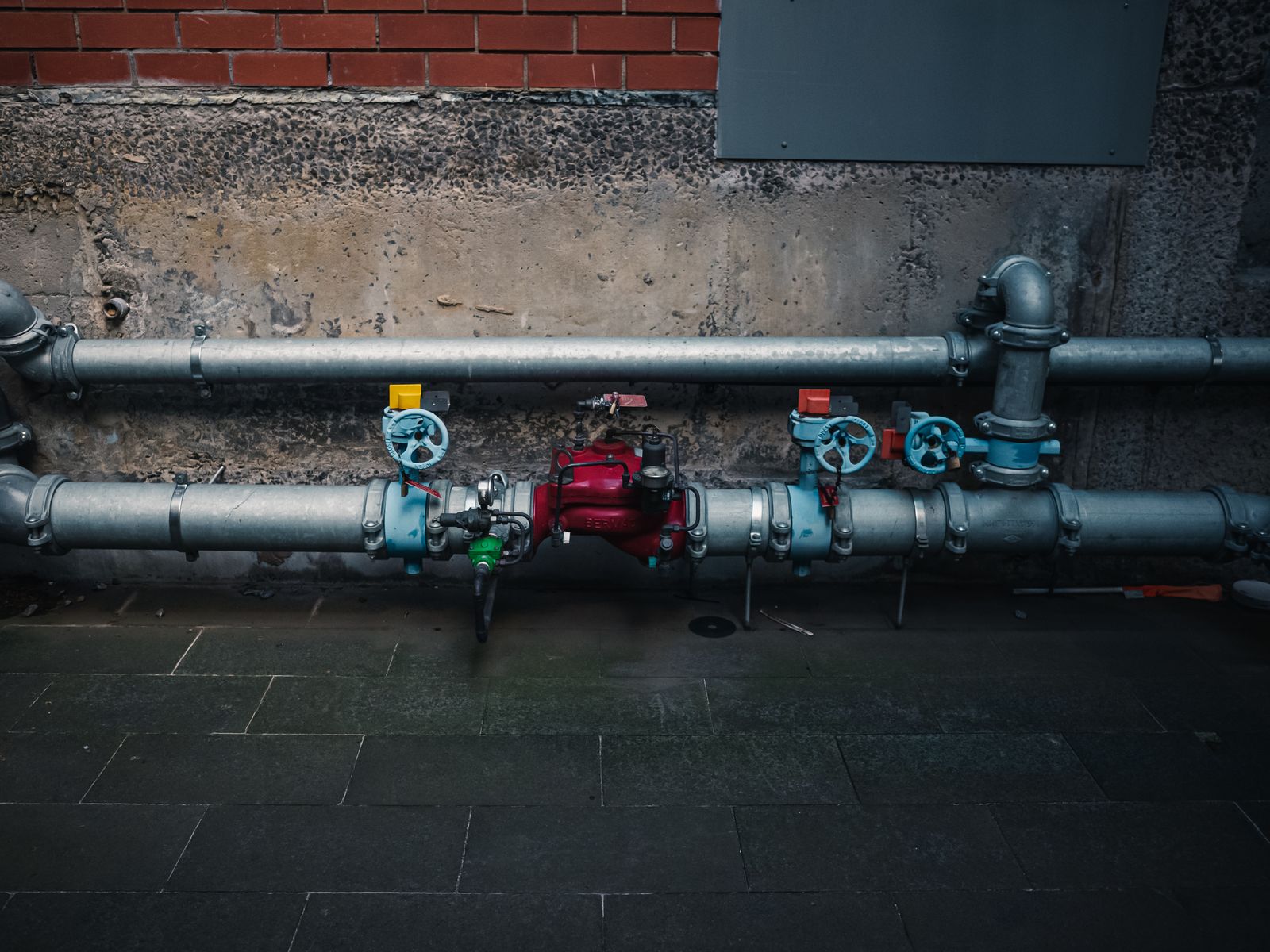
Most homes have an internal stopcock, usually under the kitchen sink or in a nearby cupboard, hallway or cellar, and there is normally an external stop valve as well, near the boundary or pavement, which controls the supply from the street. If you are not sure where yours is, our guides on finding your stopcock and turning off your water supply walk you through it. It is far better to know before an emergency than to go hunting for it during one.
Common stopcock faults
When does a stopcock need attention?
Because stopcocks are used so rarely, their faults often come to light at the worst moment, just as you need to turn the water off.
Seized solid
Years without use let the internal parts corrode or scale up, so the handle will not turn. Forcing it risks snapping the handle or cracking the body.
Leaking at the spindle
Water weeping from around the spindle or body, often noticed as you operate it, points to a failed gland or seal that needs repair or replacement.
Will not shut off fully
A stopcock that turns but still lets water through has a worn washer or seat inside, so it cannot isolate the supply when it counts.
Stiff or awkward
A valve that is hard to work, or tucked in an awkward spot, is little help in a hurry. A modern lever valve is far quicker to turn.
Old and corroded
Older brass stopcocks corrode internally over the decades. If yours is very old, replacing it before it fails gives you a shut-off you can trust.
Nowhere easy to reach
Some properties have no internal stopcock within easy reach. We can advise on fitting an accessible isolation valve where it is practical to do so.
Repair or replace
How we put a faulty stopcock right
Some faults, such as a leaking gland, can be repaired. More often, a seized or worn stopcock is best replaced with a new valve, usually a quarter-turn lever type that is quicker and easier to work under pressure. Because the job involves the incoming mains, we isolate the supply safely first, frequently at the external stop valve, and then test the new valve thoroughly before we finish.
A dependable stopcock sits behind every other water emergency we deal with, from a burst pipe to an escaping water leak. Knowing you can shut the water off in seconds takes a lot of the worry out of those moments.
What the job involves
- Isolating the mains supply safely before any work starts
- Repairing the gland or seal, or fitting a new valve
- Choosing an accessible, easy-to-turn replacement where we can
- Testing that it fully isolates and then restores the supply
- Showing you how and where to use it
What to do while you wait
If you cannot stop the water
If a pipe is leaking and your internal stopcock will not shut it off, try the external stop valve instead. It is usually under a small round cover near your boundary or the pavement, and it may take a stopcock key to reach and turn. If you still cannot stop the flow, catch and contain the water, move valuables clear, and keep away from any electrics it has reached, switching off the electricity at the consumer unit if that is safe to do. Then email us for help, or reach us through our contact page; for a supply you genuinely cannot isolate, your water company controls the external mains and can assist. If you ever smell gas, leave the property and call the National Gas Emergency Service on 0800 111 999.
Getting a quote
How much does a stopcock replacement cost?
A straightforward swap for a new lever valve is a modest job; it takes longer if the pipework around the old stopcock is corroded or the valve is in a tight, awkward spot. We would rather give you a fair figure once we know what we are dealing with, so tell us where the stopcock is, what it is doing, and whether it leaks or will not turn. Email us with your postcode or use the quote form at the top of the page. Our guide on what an emergency plumber costs gives a sense of how these jobs are priced.
Frequently asked questions
Stopcocks, answered
What is a stopcock?
A stopcock, or stop tap, is the valve that controls the cold water supply coming into your property. Turning it clockwise shuts off the mains water to the whole home, which is what you do in an emergency such as a burst pipe. Most homes have an internal stopcock, often under the kitchen sink or in a nearby cupboard, and there is usually an external stop valve near the boundary as well.
Why will my stopcock not turn off?
Stopcocks are rarely used, so they can seize over the years as the internal parts corrode or scale up. A stopcock that will not turn, turns but does not stop the water, or leaks around the spindle when you operate it, has a fault that needs attention. Do not force a seized stopcock, as this can snap the handle or split the valve body and cause a leak.
Should I replace an old or seized stopcock?
If a stopcock is seized, leaking or no longer shuts the water off fully, replacing it is usually the safest option. A working stopcock is your first line of defence in a water emergency, so it is worth being able to rely on it. We can fit a modern replacement, often a lever-type valve that is easier to operate, and test that it isolates the supply properly.
How do I turn off my water if the stopcock is broken?
If your internal stopcock will not work, you can usually isolate the supply at the external stop valve, which is often found under a small cover near the boundary or pavement and may need a stopcock key to reach. If you cannot stop the water and it is causing damage, contact us for help and, if needed, your water company, who control the external supply.
Stopcock seized or leaking?
Email our team for immediate help and safety guidance, or request a call back and we’ll get the information we need to arrange assistance in your area.