When a pipe fails, the water does not wait. A split in a central heating pipe or a mains supply pipe can soak carpets, ceilings and belongings within minutes, and the longer it runs the more damage it does. The good news is that almost anyone can take the first and most important step: stopping the flow. This guide sets out the actions to take in sensible order, from isolating the supply to arranging a repair.
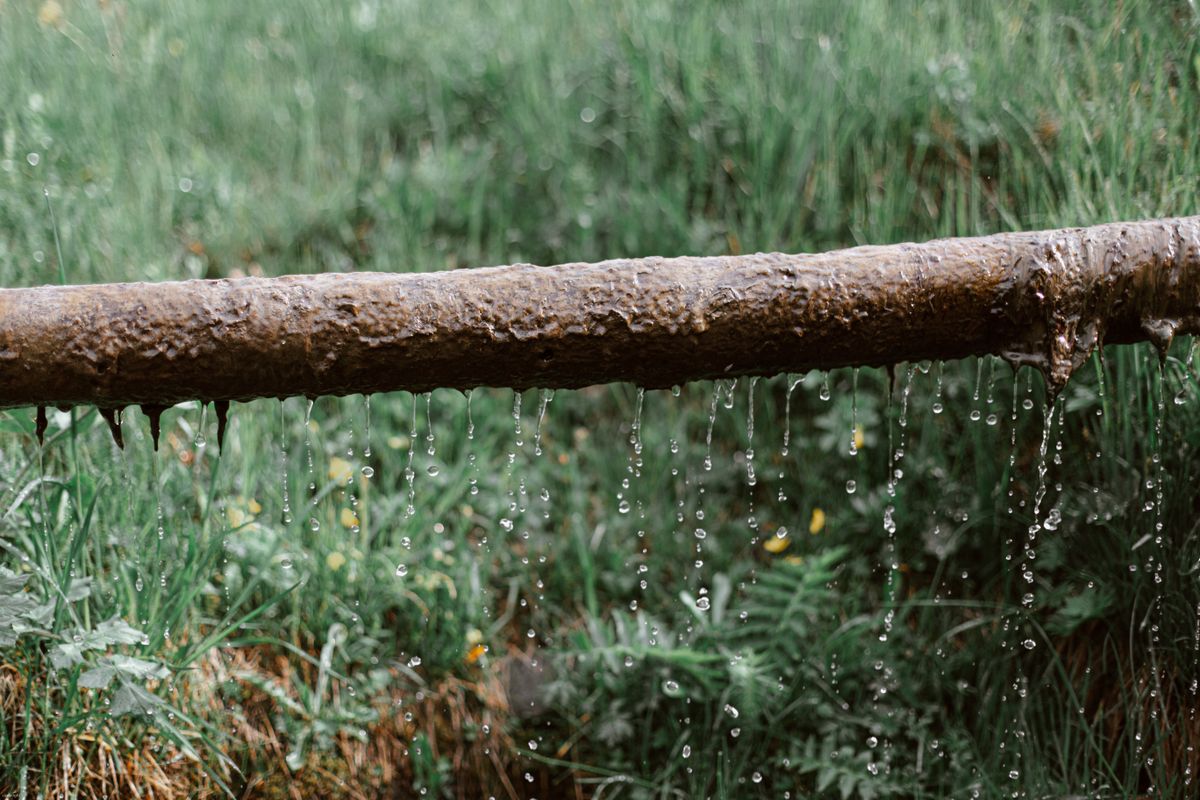
If anyone is in danger, deal with that first
If water is pouring onto electrical fittings, a fuse board or appliances, keep away and switch off the electricity at the consumer unit if you can reach it safely and dryly. Never touch electrics with wet hands or while standing in water. If you smell gas, do not use switches or naked flames, leave the property and call the National Gas Emergency Service on 0800 111 999.
1. Turn off the water supply
Your first job is to stop more water escaping. In most UK homes this means closing the internal stopcock, a small valve usually found under the kitchen sink, though it can also be in a downstairs cupboard, utility room, bathroom or cellar. Turn it clockwise until it stops. If you are not sure where yours is, our guide on how to find your stopcock walks through the usual locations, and how to turn off your water supply explains the internal and external valves in more detail.
If the leak is on the cold feed and the stopcock will not budge, there is often an external stop valve near the boundary of your property, under a small cover in the pavement or garden. A stopcock that is seized or will not shut off is itself a common fault; if yours fails when you need it, that is something a plumber can put right with a stopcock repair or replacement.
2. Drain the system
Closing the stopcock stops new water coming in, but the pipes and tank are still full. Open all the cold taps in the house, starting with the lowest ones, to drain the remaining water away from the burst. Flush the toilets as well. If the leak is from a hot or heating pipe, turn off the boiler or heating and open the hot taps too. Draining the system quickly reduces how much water reaches the leak while you wait for help.
3. Make electrics safe
Water and electricity are a dangerous combination. If water is near light fittings, sockets, extension leads or the fuse board, switch off the electricity at the consumer unit, but only if the unit itself is dry and you can reach it without standing in water. If in any doubt, stay clear and leave it to an electrician or the emergency services. Do not switch anything back on until the area has been checked and dried.
Protect the ceiling below
If water is collecting in a ceiling and you can see it bulging or dripping through a light fitting, the pooling water adds weight and can bring plaster down. Where it is safe to do so, place a bucket beneath the worst of it; some people carefully pierce a small hole at the lowest point to let trapped water drain in a controlled way. Only do this if you can do it safely and the electricity to that area is off.
4. Contain and limit the damage
Once the flow is stopped and electrics are safe, focus on limiting the harm while you arrange emergency plumbing help. Move furniture, electrical items, documents and anything of value away from the water. Lift curtains and soft furnishings clear. Use towels, buckets and a mop to soak up standing water, and open windows to help the area dry. Take photographs of the damage before you clear up. These are useful if you need to make a home insurance claim.
5. Call for professional help
A burst pipe needs a proper repair, not just a temporary patch. Once you have stopped the water, call a plumber and describe what has happened, where the leak is and what you have already done. If you need urgent attention, our team can talk you through the immediate steps and arrange a burst pipe repair. For leaks you cannot pinpoint, emergency water leak repairs and leak detection help trace the source before the pipe is made good.
Have a few details ready when you get in touch: the type of property, where the water is coming from, whether you have been able to turn the supply off, and whether any electrics are affected. Clear information helps us advise you properly and arrange the right help.
After the emergency
Once the repair is done and the area has dried, it is worth thinking about prevention. Many bursts happen in cold weather when water freezes and expands inside unlagged pipes. Our guide on how to prevent frozen pipes covers insulation and winter precautions, and it is always sensible to know exactly where your stopcock is and that it turns freely before you ever need it again.
This guide offers general information for UK households and is not a substitute for professional advice. If you are unsure or the situation is unsafe, stop and contact us for help.