Plumbing advice
How to prevent frozen pipes
When water freezes it expands, and that expansion can split a pipe, often with the damage only showing when it thaws and water pours out. A little preparation before winter, and a few habits during a cold snap, make a frozen or burst pipe far less likely.
UK winters do not need to be extreme to cause problems. A few consecutive nights below freezing are enough to freeze water in an exposed pipe, and the pipes most at risk are the ones in the coldest, least-used parts of a property, lofts, garages, outbuildings, under suspended floors and against external walls. The good news is that nearly all of this is preventable.
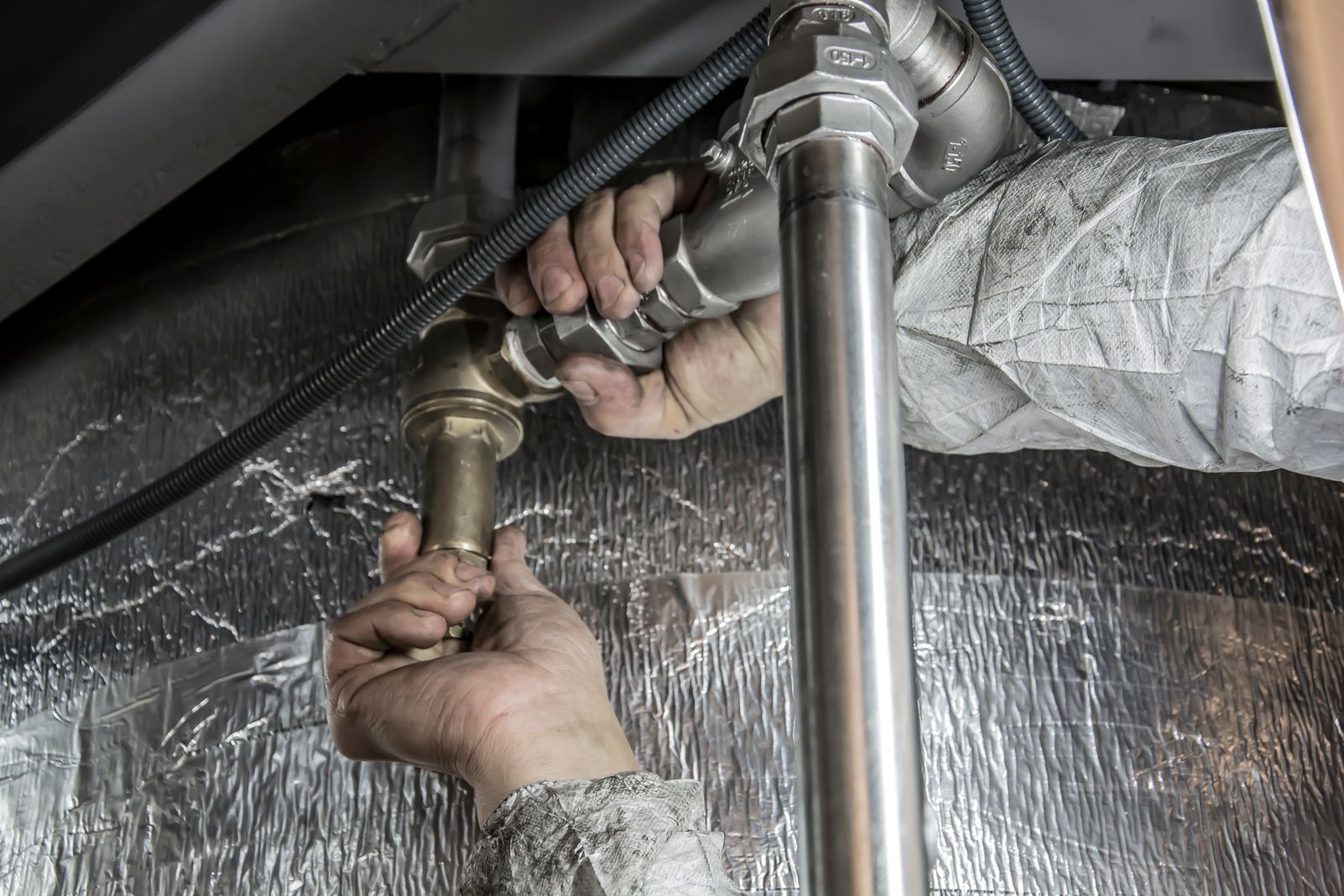
Why frozen pipes matter
Water expands by roughly a tenth of its volume as it turns to ice. Inside a sealed pipe that expansion has nowhere to go, so pressure builds until the pipe or a joint gives way. Interestingly, the split often is not where the ice forms. The pressure builds along the trapped section and bursts at a weak point. Frequently the pipe holds while frozen and only releases water once it thaws, which is why a cold snap can be followed by a flood days later. Preventing the freeze in the first place avoids a burst pipe repair and the water damage that comes with it.
Which pipes freeze first
Focus your effort where the cold reaches:
- Pipes and the cold-water storage tank in an unheated loft.
- Supply and waste pipes in garages, cellars, outbuildings and porches.
- The overflow and condensate pipes that run outside to a drain.
- Pipework against or inside external walls, and under suspended ground floors.
- Outside taps and garden supply pipes.
Before winter: insulate and prepare
The single most effective step is good lagging. Foam pipe insulation is inexpensive, sold by the metre at any DIY shop, and simply clips around the pipe.
- Lag exposed pipes in lofts, garages and outbuildings, paying attention to bends and joints where cut sleeves can leave gaps. Use the right internal diameter so it fits snugly.
- Insulate the cold-water tank in the loft with a fitted jacket, but do not insulate the loft floor directly beneath it, so a little warmth from the house below can still reach the tank.
- Lag the boiler condensate pipe if it runs outside; a frozen condensate pipe is a very common reason boilers shut down in cold weather.
- Fit an insulated cover to any outside tap, and if it has an internal isolation valve, turn it off and drain the tap before winter.
- Seal draughts near pipework, gaps around where pipes pass through external walls, airbricks close to pipes, and open vents in garages, so freezing air is not blowing directly onto them.
- Find and test your stopcock before you need it, and make sure it turns freely. If it is seized, our page on stopcock repairs and replacements explains why a working stopcock matters in an emergency.
Know where to turn the water off
If a pipe does burst, your ability to stop the flow quickly depends on knowing where your stopcock is and that it works. Our guide to turning off your water supply walks through it.
During a cold snap
When the forecast turns to several freezing nights, a few small habits help keep water moving and pipes above freezing:
- Keep the heating on low, even overnight. Setting the thermostat to a steady low temperature (many people use around 12 to 15°C) costs far less than repairing a burst pipe and keeps the fabric of the house above freezing.
- Open the loft hatch on the coldest nights to let warmer air rise into the roof space and reach the tank and pipes.
- Let a tap drip on the run most at risk. Moving water freezes less readily than still water, and a slow trickle relieves the pressure that causes a split.
- Open the doors of cupboards that house pipes against external walls, such as a kitchen sink unit, so room heat can circulate around the pipework.
- Keep the garage and outbuilding doors shut to hold what little warmth there is around any pipes inside.
If you are going away
An empty home with the heating off is where the worst winter floods happen, because a leak can run for days unnoticed, with none of the usual signs of a hidden water leak being spotted in time. If you will be away during cold weather:
- Leave the heating on a low frost-protection setting rather than switching it off entirely.
- Ask a neighbour, friend or family member to check the property every few days.
- For a longer absence, or an unheated second home, consider turning off the water at the stopcock and draining the system: close the stopcock, then open all taps (lowest first) to empty the pipes so there is little water left to freeze.
- If you are unsure how to drain down safely, a plumber can do it for you, and set it running again on your return.
If a pipe does freeze
If a tap runs dry in cold weather, or you spot frost or bulging on a pipe, you may have a frozen section. Acting carefully can prevent it bursting:
- Turn off the water at the stopcock and open the affected tap so water can escape as the ice melts, and so you will see at once if the pipe has already split.
- Thaw gently, starting from the tap end and working back towards the frozen area. Use a hairdryer on a low setting, warm (not boiling) water on a cloth, or a hot-water bottle against the pipe.
- Never use a naked flame, blowtorch or direct boiling water. Rapid heat can crack the pipe and a flame near a wall or loft is a fire risk.
- Watch for leaks as it thaws. If water appears, leave the stopcock off and contact us for help.
If a pipe has already burst, our step-by-step guide to what to do when a pipe bursts covers the immediate actions, and burst pipe repairs explains how the damaged section is put right. If you cannot thaw a frozen pipe safely, or you are not sure whether it has split, it is better to call than to risk making it worse.
Frozen or burst pipe this winter?
Email our team for immediate help and safety guidance, or request a call back and we’ll arrange assistance in your area.