Stop the leak, protect the property
Emergency Water Leak Repairs
A water leak can range from a steady drip to a sudden flow that spreads across floors and down through ceilings. Whatever the scale, the sooner it is contained and repaired, the less damage it does. We trace, stop and repair water leaks for homes and businesses across our confirmed UK service areas.
Two kinds of leak
Visible leaks and hidden leaks
Leaks fall broadly into two groups, and the right first move is a little different for each.
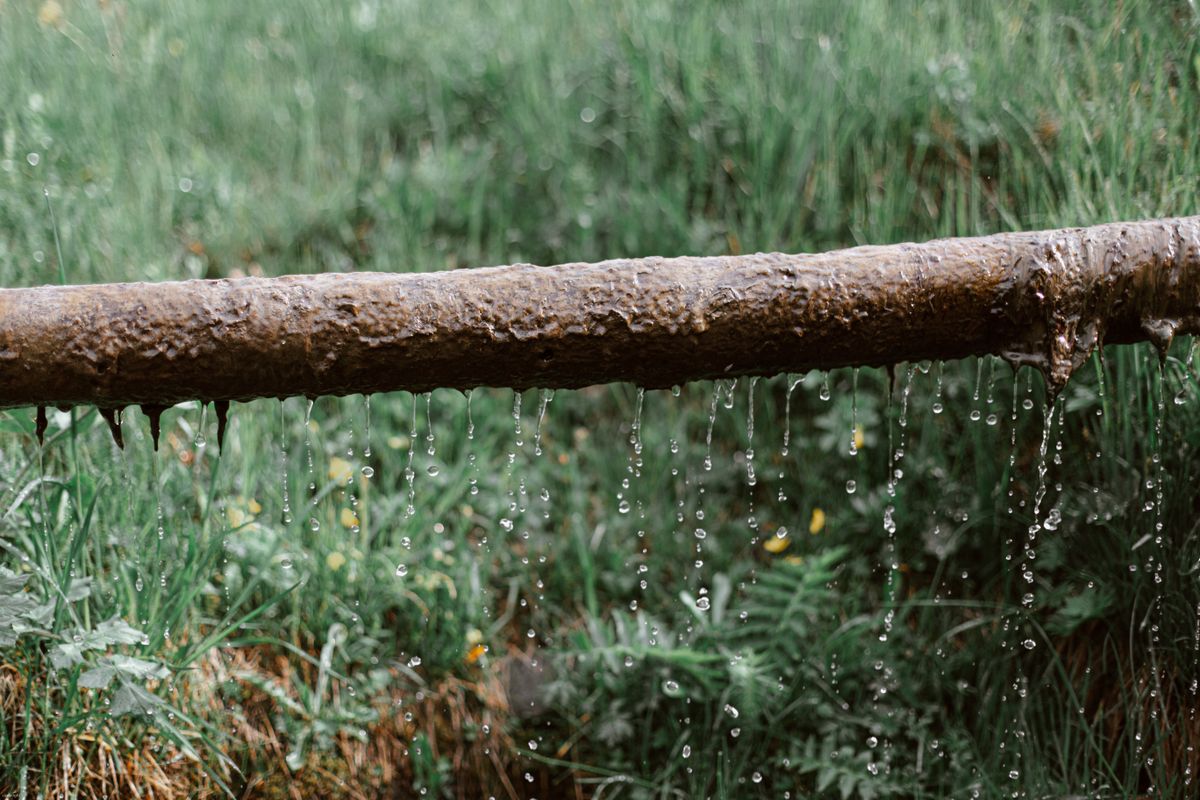
Visible leaks
Water you can actually see, from a joint, a tap, a valve, under a sink or appliance, or from a pipe you can reach. The source is usually clear, so the job is to isolate the water, mop up what has escaped and repair the fault. Many visible leaks come down to a worn washer, a loose fitting or a split in an accessible pipe, and the repair itself can be quick once the water is off. The important thing is to deal with it before the water finds its way into a floor or cupboard.
Hidden leaks
Water escaping out of sight, behind a wall, under a floor or in a ceiling void. You tend to notice the signs before the water itself: a damp patch, a musty smell, rising water use or a drop in pressure. These have to be located before they can be repaired, which is where water leak detection comes in. A hidden leak can run for weeks, so the sooner it is traced the less damage it does to the fabric of the building.
What to do while you wait
If water is actively escaping, a few steps before help arrives will keep the damage down:
- Turn off the water at the stopcock; see how to turn off your water supply.
- Open the cold taps to drain the pipes, then close them once the flow stops.
- Keep clear of electrics near water, and switch off at the consumer unit if in doubt.
- Contain it with towels, a bucket or a bowl, and move valuables and furniture clear.
- Take a photo of any damage, which can be useful for an insurance claim later.
Smell gas? Leave the property and call the National Gas Emergency Service on 0800 111 999.
Where leaks come from
Common sources of a water leak
Most leaks start in a handful of familiar places. Knowing the usual culprits helps us trace yours quickly.
Taps and valves
A perished washer or a tired isolating valve weeps steadily and can soak a cupboard or floor long before you spot it.
Pipe joints
Compression and soldered joints work loose or corrode over time, and a joint hidden in a wall or floor is easy to miss.
Appliances and seals
Washing-machine and dishwasher hoses, worn tank seals and failed overflow valves are all regular causes of escaping water.
Our approach
Find it, stop it, fix it
Contain and make safe
We confirm the supply is isolated and the area is safe, so no more water escapes while we work out what has gone wrong.
Trace the source
We find where the water is coming from, by inspection where it is visible or with leak detection where it is not, so the repair hits the real fault.
Repair and test
We repair or replace the failed part, restore the supply and check the system holds pressure with no further leaks.
Judging urgency
When should a leak be treated as an emergency?
Not every leak is a full emergency, but some clearly are. Treat a leak as urgent when water is escaping faster than you can catch it, when it is reaching electrics or light fittings, when it is coming through a ceiling, or when it is spreading into another room or a neighbour's property. A loss of pressure alongside unexplained damp is another warning sign, often a hidden leak that our water leak detection can pinpoint.
A slow, contained drip may be able to wait a short while for a planned visit. If you are not sure, the safest course is to turn the water off and get in touch. It is far easier to stand a situation down than to undo water damage after the event.
If the leak is coming from a clear split rather than a weep, read about burst pipe repairs, and for the wider picture see our emergency plumbing repairs.
Frequently asked questions
Water leaks, answered
When is a water leak an emergency?
Treat a leak as an emergency when water is escaping faster than you can contain it, when it is reaching electrics, ceilings or another property, or when you cannot find and stop the source. A slow drip into a bucket may be able to wait a short time, but any leak that is spreading or causing damage should be dealt with urgently. If in doubt, turn the water off and call.
What should I do if I can see water but not where it is coming from?
Turn off your water at the stopcock to stop more water entering the system, then contain what has already escaped. A leak you cannot see often comes from pipework behind a wall or under a floor. Rather than opening up large areas to find it, professional leak detection can locate the source accurately so only the affected section needs to be exposed and repaired.
Will you need to lift floors or open walls?
Only as far as the repair genuinely requires. Where a leak is hidden, we aim to locate it precisely first so access is kept to a minimum. We will explain what needs to be opened up and why before we start, so there are no surprises.
Water leaking and spreading right now?
Email our team for immediate help and safety guidance, or request a call back and we’ll get the right information to arrange assistance.