Small leaks, dealt with properly
Leaking Pipe Repairs
A dripping joint or a pinhole leak can seem minor, but even a slow leak causes damage over time and often points to pipework that needs attention. We repair and, where needed, replace leaking pipes for homes and businesses across our confirmed UK service areas, from an accessible joint under a sink to corroded runs hidden behind walls.
Types of leak
Common leaking pipe problems
Leaks tend to develop in a few familiar ways. Recognising which one you are dealing with helps us choose the right repair.
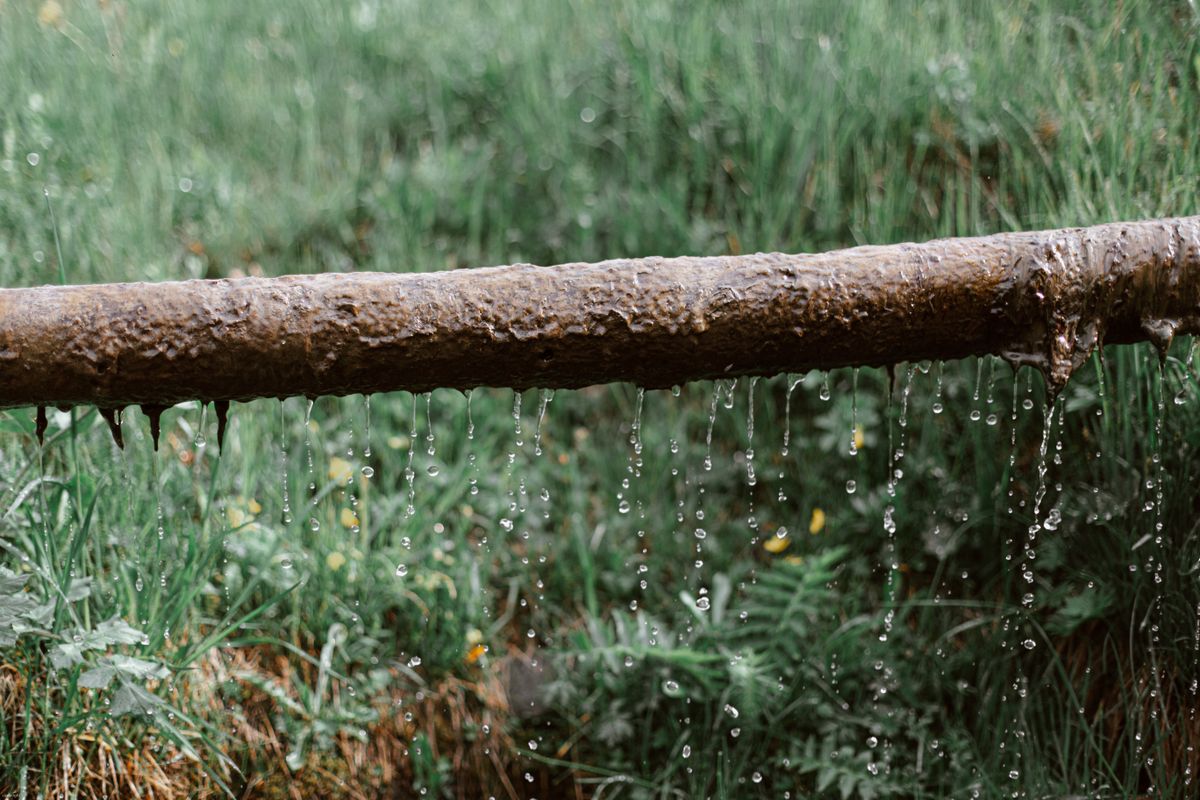
Dripping joints
Compression and soldered joints weep where a seal has gone or a fitting has worked loose, often after the pipework nearby has been disturbed. Remaking the joint properly usually settles it.
Pinhole leaks
A tiny hole from corrosion releases a fine spray or a slow drip that goes unnoticed until damp shows up. It is often a sign the pipe is breaking down from the inside.
Corroded pipework
Older metal pipes thin and weaken with age and water chemistry. Where corrosion has set in, a repair in one spot is often soon followed by another nearby.
If you can see damp but not the leak itself, the pipe may be concealed behind a wall or under a floor. Water leak detection locates it accurately, and the signs of a hidden water leak are worth knowing.
Weighing it up
Should you repair or replace a leaking pipe?
The right answer depends on the pipe, not just the leak. A single failed joint or an isolated pinhole in otherwise sound pipework is usually a straightforward repair: remake the joint, or cut out and replace a short section. That puts the pipe right without any unnecessary work.
Where the pipework tells a different story, corrosion along its length, leaks turning up in more than one place, or a system plainly near the end of its life, patching it over and over is a false economy. Replacing a longer run gives a more reliable result and usually works out better value in the end. We always tell you honestly which situation you are in, so the decision is an informed one.
A leak that suddenly worsens can become a burst pipe, so a pipe that has already leaked once is worth keeping an eye on. For the wider range of urgent work, see our emergency plumbing repairs.
What to do while you wait
- If the leak is significant, turn off the water at the stopcock and open the cold taps to drain the pipes.
- For a small drip, sit a bucket or bowl beneath it and keep the area dry.
- Keep the leak away from electrics, and switch off at the consumer unit if water is near them.
- Resist over-tightening a weeping joint yourself, as that can easily make the leak worse.
Smell gas? Leave the property and call the National Gas Emergency Service on 0800 111 999.
Is a small, slow leak really worth the bother?
It is easy to put off a drip that seems to be going nowhere, but a slow leak rarely stays slow. Even a steady drip adds up to a surprising volume of water over the weeks, and all that time it is quietly soaking into whatever sits below. Timber darkens and softens, plaster stains, and mould takes hold in corners you never look at.
There is a cost to it too. A leak you are paying for on every bill, plus the repair bill when the damp finally shows, almost always comes to more than dealing with the drip early. Fixing a small leak promptly is the cheaper and less disruptive path by a wide margin.
Materials
The pipework we work with
Homes and businesses across the areas we cover hold a mix of pipe materials, often sitting side by side. We match the repair to whatever is actually there.
Copper
Long the standard for water pipes, copper is hard-wearing but corrodes in time, which is where many pinhole leaks start. Repairs are made with soldered or compression fittings.
Plastic (push-fit)
Modern plastic pipe is common in newer and upgraded systems. Push-fit fittings give a neat, dependable repair, as long as the pipe is cut cleanly and pushed fully home.
Compression fittings
Used to join pipes without soldering, these rely on a nut and olive sealing against the pipe. A weeping fitting can often be remade rather than replaced outright.
How we repair
A tidy, lasting repair
Isolate and inspect
We isolate the relevant supply, find the leak and check the surrounding pipework for any related wear.
Repair or replace
We remake the joint, replace the affected section or renew a longer run, using the correct method for the material.
Test and tidy
We restore the supply, check the repair holds under pressure and leave the area clean, explaining what was done.
Frequently asked questions
Leaking pipes, answered
Is a small, slow pipe leak really worth fixing straight away?
Yes. A slow leak rarely stays slow, and even a steady drip adds up to a surprising amount of water and damage over weeks and months. It can quietly rot timber, stain plaster and encourage mould long before it becomes obvious. Dealing with it early is almost always cheaper and less disruptive than waiting for it to worsen.
Should a leaking pipe be repaired or replaced?
It depends on the condition of the pipe. A single leaking joint or an isolated pinhole can often be repaired by remaking the joint or replacing a short section. Where the pipework is corroded, has leaked in several places or is nearing the end of its life, replacing a longer run is usually more reliable than repeated patching. We will give you an honest recommendation.
What causes a pinhole leak in a copper pipe?
Pinhole leaks are usually the result of corrosion that gradually eats through the pipe wall from the inside until a tiny hole forms. Water chemistry, the age of the pipework and how the system was installed can all play a part. Because the hole is so small, the leak may go unnoticed until damp appears nearby.
Got a leaking pipe?
Email our team for help and advice, or request a call back and we’ll get the right information to arrange assistance.