Urgent repairs, done properly
Emergency Plumbing Repairs
When part of your plumbing fails without warning, a prompt and well-judged repair limits the damage and gets the property working again. We carry out emergency plumbing repairs for households and businesses across our confirmed UK service areas, from a split pipe to a failed valve, diagnosing the real cause before putting a lasting fix in place.
Types of urgent repair
Which faults are we called out to most?
Your plumbing is a network of pipes, joints, fittings and valves, all working under pressure. When one part gives way, water finds the quickest way out. These are the emergency repairs that come up again and again.
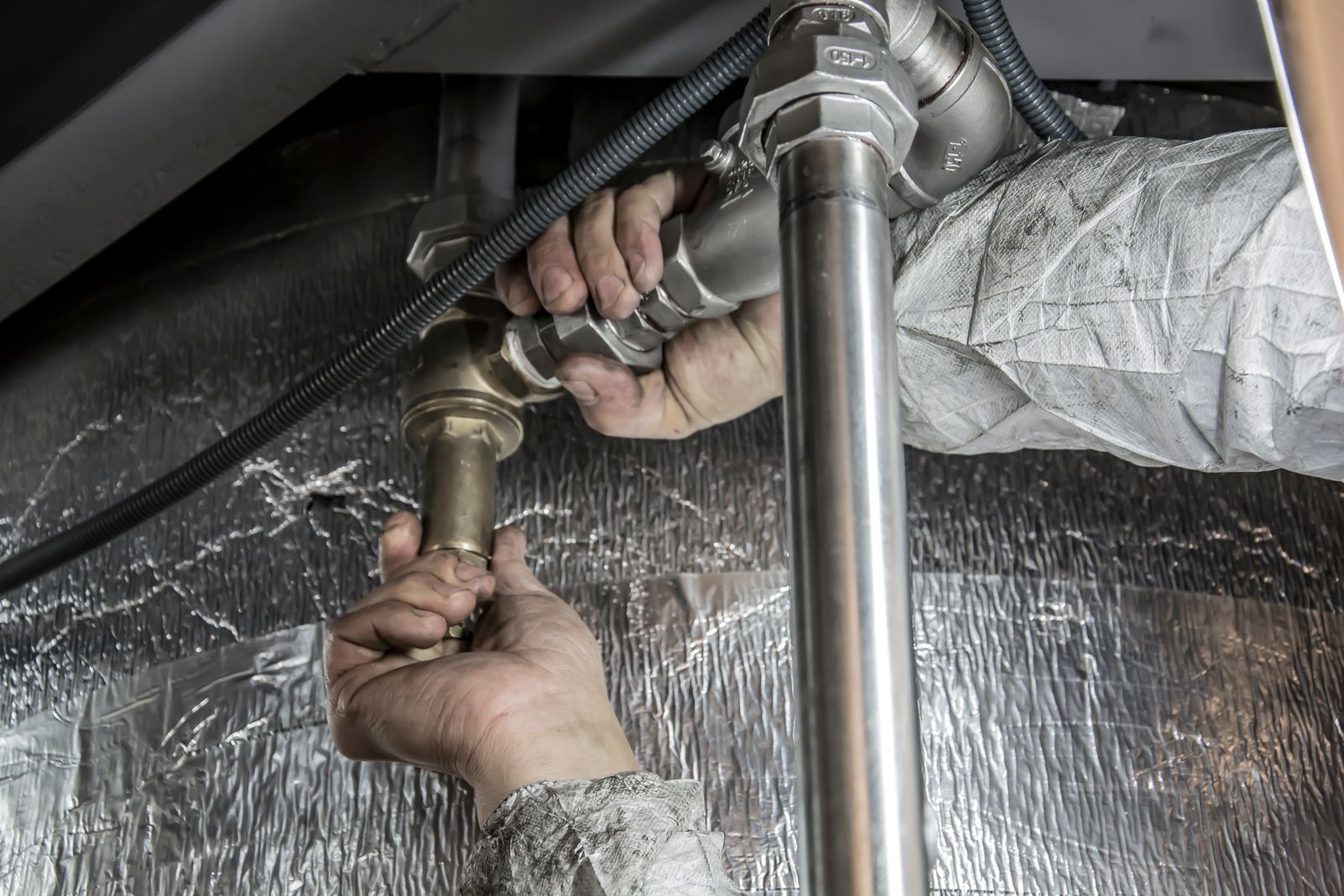
Pipework
Pipes split in frost, thin out through corrosion, or crack after a knock or years of movement. A burst pipe is the dramatic version, but a slow leaking pipe can do just as much harm given time. We cut out the failed length and reinstate it so it holds.
Joints and fittings
Soldered joints, compression fittings and push-fit connectors are the usual weak points, especially where they have been disturbed or never fully tightened. We remake the joint properly and test it under pressure before we pack up.
Valves and stopcocks
A valve that seizes, weeps or refuses to shut off is a problem in itself, and a real obstacle in an emergency. We repair or replace faulty isolating valves and stopcocks so you can take control of your water when it matters.
Connections and overflows
Flexible appliance hoses, tank float valves and overflow pipes all wear out eventually. A perished washing-machine hose or a stuck ballvalve can flood a room, so we renew the worn part and check the connections around it.
How we work
From diagnosis to a repair that lasts
Make it safe
The first job is to stop the water and settle the situation, isolating the supply and protecting the surroundings before anything else happens.
Find the real cause
We trace the fault back to its source rather than treat the symptom, so the repair deals with what actually failed and why it failed.
Repair and test
We carry out the work to a professional standard, bring the supply back on and test the system under pressure before we leave.
Short term versus long term
Temporary fixes and permanent repairs
In an emergency the immediate goal is to stop the water and make the property safe. Sometimes that calls for a temporary measure first, isolating a section of pipe, fitting a clamp over a split or capping a connection, so the flooding stops while a full repair is sorted out.
A temporary fix is never the end of the story. Wherever we can, we finish a permanent repair on the same visit. Where a particular part is needed, or the work is more involved, we make the area safe and explain plainly what the lasting repair involves and when it can be done. You will always know the difference between a stopgap and a finished job.
If the pipework behind the fault is tired, or a leak has been quietly spreading for a while, replacing a run of pipe can make more sense than patching it again and again. We give you an honest view so the choice is yours. Where a leak is hard to pin down, leak detection lets us target the repair without tearing the place apart.
What to do while you wait
- Turn off the water at the internal stopcock and open the cold taps to drain the pipes.
- If only one fixture is affected, you may be able to isolate it at its own service valve.
- Keep clear of electrics near water, and switch off at the consumer unit if in doubt.
- Catch and contain the water, and move anything valuable clear of it.
Gas smell? Leave the property and call the National Gas Emergency Service on 0800 111 999.
Why acting quickly pays off
Water never stays where it lands. It runs along joists, soaks into plaster and insulation, lifts flooring and finds its way towards electrics. The longer a fault is left, the more of the surrounding building is affected, and the bigger the eventual bill. A fault dealt with in the first hour is usually a tidy repair; the same fault left for a day can mean replastering, new flooring and weeks of drying out.
That is the real reason prompt repairs are worth it. Stopping the water early keeps the damage small, and a proper fix stops the same fault returning a fortnight later.
Related help
Go straight to the repair you need
If you already know what has gone wrong, jump to the service that fits.
Burst pipe repairs
Fast isolation and a secure repair for split and burst pipes.
Burst pipe repairsLeaking pipe repairs
Dripping joints and pinhole leaks traced and repaired or replaced.
Leaking pipe repairsWater leak repairs
Active leaks contained, found and fixed before they spread.
Water leak repairsFrequently asked questions
Emergency repairs, answered
What is the difference between a temporary and a permanent repair?
A temporary repair stops the water and makes the situation safe straight away, for example by isolating a section of pipe or fitting a clamp over a split. A permanent repair replaces or properly reinstates the faulty part so the system is sound for the long term. Where a permanent fix needs a part that is not to hand, or work that cannot be completed on the spot, we make the area safe first and arrange the full repair as soon as possible.
Can you repair any type of pipe?
We work with the pipe materials commonly found in UK homes and businesses, including copper, plastic push-fit and compression fittings. The right approach depends on the material, where the pipe runs and what has failed. We will explain what we have found and the options for repairing or replacing the affected section.
Should I turn the water off before I call?
If water is escaping and you cannot stop it at the fitting, yes. Turning off your internal stopcock stops more water entering the system and limits the damage. Open the cold taps afterwards to drain the pipes. If the leak is contained, you may be able to isolate just that fixture using its own service valve.
Dealing with a plumbing emergency right now?
Email our team for immediate help, or request a call back and we’ll get the right information to arrange assistance.