Overflowing toilet repairs
Overflowing Toilet Repairs
An overflowing toilet needs quick, calm action to stop the water and limit the mess. Once the immediate risk is under control, we find the cause, a blockage or a cistern fault, and put it right.
Overflowing right now? Do this first
Deal with the water before anything else. These few steps stop it getting worse while you arrange help:
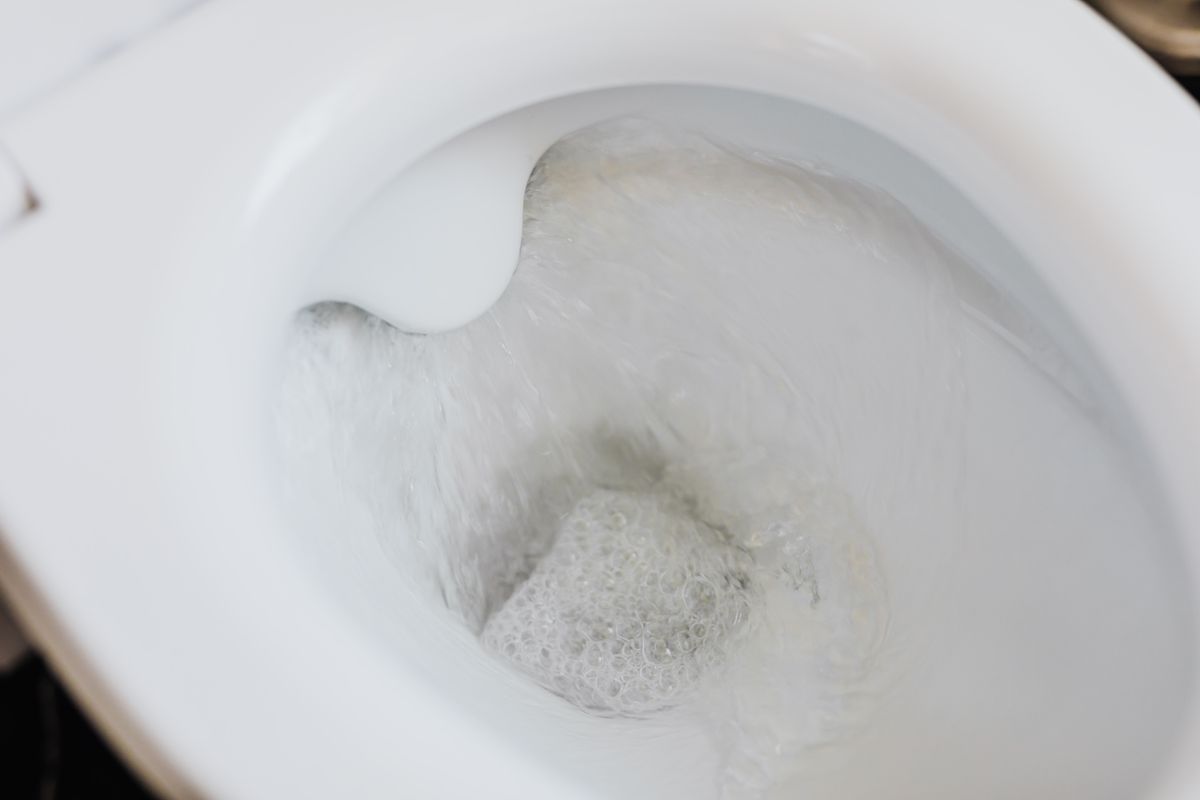
- Lift the float. Take off the cistern lid and raise the float arm or ball so no more water can enter the cistern.
- Turn off the water to the toilet. Close the small isolating valve on the supply pipe behind or below the pan, a quarter-turn with a flat screwdriver. If there is not one, close your main stopcock.
- Do not flush again. If a blockage is behind it, another flush simply adds water that has nowhere to go.
- Contain it. Lay down towels, lift anything valuable clear of the floor, and keep children and pets away from the water.
Our step-by-step guide to what to do if your toilet is overflowing covers all of this in more detail. Once the water is off, email us and we will arrange help.
Health and safety
Treat the water as a hygiene risk
Water from an overflowing toilet is not a clean spill. It can carry bacteria, so wear disposable gloves if you need to move anything in the affected area, avoid touching the water directly, and keep other people out of the room until it is cleaned up. Once the supply is off and the water has stopped, wash down and disinfect the floor and any surface the water has reached, and bag up anything that cannot be cleaned.
Water and electricity are a dangerous mix. If the overflow has spread to sockets, extension leads or appliances, stay clear and switch off the electricity at the consumer unit, but only if you can do that without standing in water. And if you ever smell gas, leave the property and call the National Gas Emergency Service on 0800 111 999. We do not provide gas services unless separately confirmed.
What is behind it
Why is my toilet overflowing?
There are two very different reasons a toilet overflows, and each one is put right in its own way.
A blockage in the pan or drain
If the pan cannot drain, everything you flush rises instead of clearing, and before long it spills over the rim. The obstruction might be in the pan trap, the soil pipe or the drain further out. This is the more common cause, and it overlaps closely with a blocked toilet. When other appliances back up at the same time, the problem usually sits in a shared drain and needs drain unblocking.
A fault in the cistern
If the pan drains normally but water still escapes, look inside the cistern. A fill valve that will not shut off, a float set too high, or a failed internal overflow lets the cistern keep filling until it runs over. These are mechanical faults, and we repair or swap the part at fault so the cistern fills to the right level and then stops.
Our repair
How we deal with an overflowing toilet
Make it safe
First we confirm the water is isolated and the overflow is under control, so nothing gets worse while we work.
Find the cause
We work out whether it is a blockage or a cistern fault by watching how the pan drains and how the cistern fills.
Clear or repair
We clear the blockage, or repair or replace the faulty fill valve, float or overflow, whichever the fault turns out to be.
Test it properly
We run the toilet through several fill and flush cycles to be sure it fills, flushes and empties as it should before we leave.
Getting a quote
What will the repair cost?
A cistern fault, such as a new fill valve or float, is usually a modest job once we are there, while a blockage can range from a quick clear to drain work if it sits well down the system. Rather than guess, we would rather know what is actually happening first. Tell us whether the pan drains or not, whether other appliances are affected, and what you have already tried, and we can give you a realistic idea of the work involved. Email us with your postcode or use the quote form above, and if you want to understand how plumbers tend to price urgent jobs, our guide on emergency plumber costs is a good place to start.
Frequently asked questions
Overflowing toilets, answered
How do I stop my toilet overflowing right now?
If the bowl is filling and about to spill, take the lid off the cistern and lift the float arm or ball up to stop the valve letting in more water. Next, turn off the water to the cistern at the small isolating valve on the supply pipe, usually behind or below the toilet, using a flat screwdriver to turn the slot a quarter-turn. If you cannot find it, turn off your main stopcock. Do not flush again until the cause has been dealt with.
Is an overflowing toilet dangerous?
Overflowing toilet water can carry bacteria, so it should be treated as a hygiene risk. Keep children and pets away, wear gloves if you need to handle anything, and avoid contact with the water. If it reaches electrical sockets or appliances, keep clear and switch off the electricity at the consumer unit if it is safe to do so. Clean and disinfect affected surfaces thoroughly once the water is stopped.
Why is my toilet overflowing when it is not blocked?
If the pan drains normally but water still overflows, the problem is usually in the cistern rather than a blockage. A fill valve that does not shut off, a float set too high or a faulty overflow can let the cistern keep filling until water escapes. These are mechanical faults we can repair or replace, and they are separate from a blocked pan or drain.
Will an overflowing toilet stop on its own?
Sometimes the level settles once the cistern empties, but the underlying cause remains and it is likely to happen again on the next flush. If the overflow is caused by a blockage, flushing again will make it worse. It is safer to stop the water supply to the toilet and have the cause diagnosed and repaired rather than hoping it clears itself.
Toilet overflowing and spreading?
Email our team for immediate help and safety guidance, or request a call back and we’ll get the information we need to arrange assistance in your area.