Plumbing advice
What to do if your toilet is overflowing
An overflowing toilet is alarming, but the water almost always stops once you cut off its supply. Here is the calm order of actions that limits mess and damage, and how to tell when it is time to contact us for help.
Act in this order
Stop the water reaching the pan, then stop more water entering the bowl. Do not flush again to "clear" it. A second flush on a blocked toilet is the most common reason a bowl spills onto the floor.
Stop the water straight away
The water you can see in the pan will keep rising only while more is being added, so your first job is to cut that supply. You have two quick options, and it is worth knowing both before you ever need them.
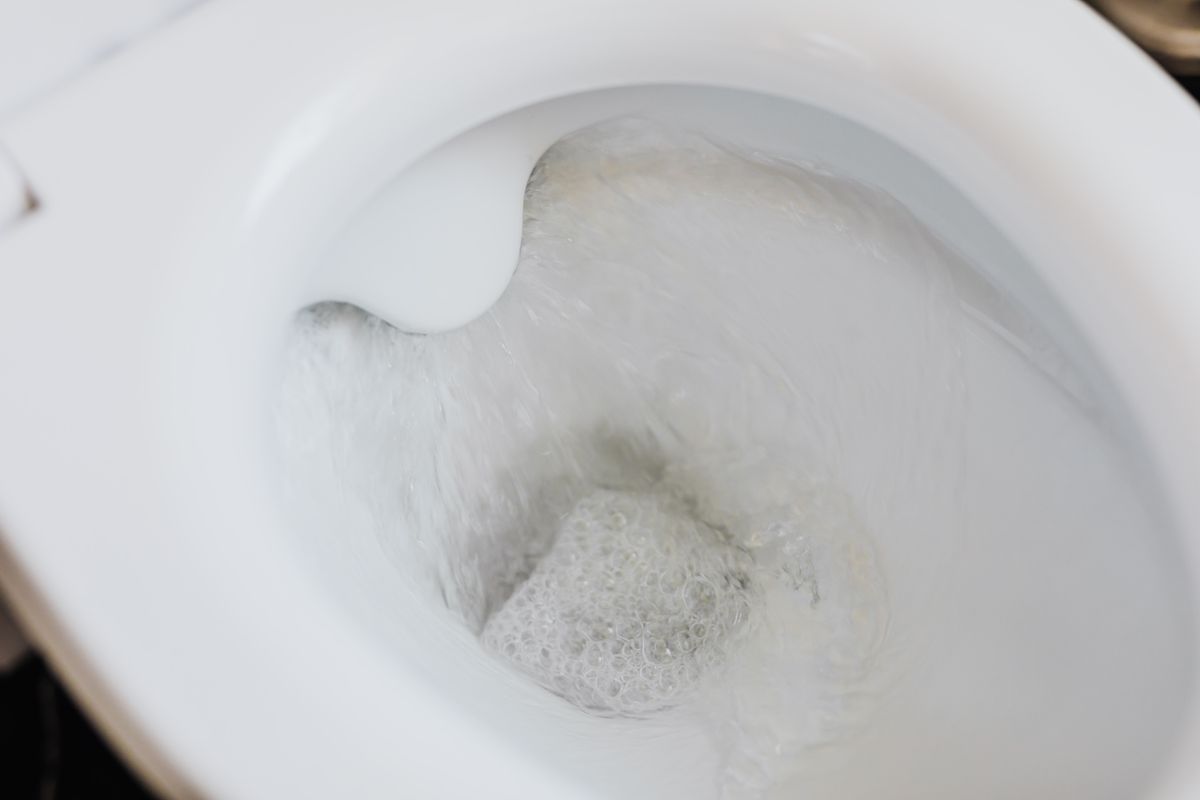
- Lift the cistern lid and push the flush valve down. Inside most cisterns is a float that rises with the water and a valve that lets fresh water in. If you lift off the lid, you can usually push the open flap (the flush valve) back down by hand to stop water running into the pan, or lift the float arm to shut off the inlet.
- Turn off the toilet’s isolation valve. On the small supply pipe feeding the cistern, usually low down behind or beside the toilet, there is often a small isolation valve with a slotted screw. A quarter turn with a flat screwdriver so the slot sits across the pipe shuts the water off to that toilet only.
If you cannot find or move either of those, turn off the water to the whole property at the internal stopcock. It is worth locating your stopcock now, while nothing is wrong, so you are not hunting for it with water on the floor. Our guide to finding your stopcock shows the usual places to look.
Protect the room and clean up safely
Once the level stops rising, the urgency drops and you can deal with the room methodically.
- Lay old towels or a bath mat around the base of the toilet to soak up spills and stop water spreading onto flooring and into the room below.
- Move toilet rolls, bathmats and anything stored on the floor out of the way.
- If water has reached a light fitting, an extension lead or a socket, keep clear and switch off that circuit at the consumer unit before touching anything, water and electricity are a dangerous combination.
- Open a window and wear household rubber gloves. Water from a blocked toilet may contain waste, so treat it as unhygienic, clean surfaces afterwards with a disinfectant, and wash your hands thoroughly.
Why toilets overflow
Knowing the cause tells you whether this is a quick fix or a job for a professional. There are two broad reasons a toilet overflows, and they behave differently.
A blockage in the pan or waste pipe
If the water rises when you flush and drains away slowly (or not at all), the problem is downstream, a blockage in the trap, the waste pipe or the drain. Common culprits are wet wipes, nappies, cotton pads, kitchen roll and too much paper, none of which break down like toilet tissue. If more than one appliance is backing up at once, for example the toilet overflows when you run a bath, the blockage is likely to be further out in the drain rather than the toilet itself.
A cistern or valve fault
If clean water keeps running into the pan even when nothing is being flushed, the fault is in the cistern: a worn washer, a stuck float or a failed inlet (fill) valve that will not shut off. In this case the pan is overflowing with fresh water rather than waste, and isolating the supply to the toilet stops it immediately until the valve is replaced.
Trying to clear a simple blockage
If the cause looks like a straightforward blockage close to the pan, there are a couple of safe things you can try before calling anyone.
- Wait. If the level is high, give it 10 to 20 minutes. A partial blockage often lets enough water seep away to bring the level down, which makes anything else you try far less messy.
- Use a proper toilet plunger. A flanged plunger that seals into the outlet lets you work water back and forth against the blockage. Steady pumping is more effective than one hard shove.
- Avoid chemical drain cleaners in a toilet. They are generally made for sinks, can sit against the pan without reaching the blockage, and may splash or react dangerously if the water is later disturbed.
If a plunger does not shift it, stop there. Pushing harder, flushing repeatedly or feeding wire down the pan risks cracking the ceramic or driving the blockage further into the pipe, where it becomes a bigger job and one better left to professional blocked toilet repairs.
Only one toilet in the house?
If this is your only working toilet, or the overflow keeps returning, it is worth getting it dealt with quickly rather than living around it. A recurring overflow usually means the underlying cause has not been cleared.
When to call an emergency plumber
Call for professional help if any of the following apply:
- The water will not stop rising even after you have isolated the supply.
- Waste water is coming back up through the toilet, a shower tray or a ground-floor drain, a sign of a blockage out in the main drain.
- A plunger has not worked, or the blockage keeps coming back after a few days.
- Water keeps running into the pan and you cannot shut off the isolation valve.
- Water has leaked through to the room or ceiling below.
A plumber can clear a stubborn blockage properly, check whether it sits in the toilet or the wider drainage, and replace a failed cistern valve. If it turns out to be the toilet itself, our overflowing toilet repairs and blocked toilet repairs pages explain how the fault is diagnosed and put right. For a smell, gurgling or backups across several fittings, emergency drain unblocking tackles the drain rather than the pan.
Not sure whether your situation really counts as urgent? Our guide to what counts as a plumbing emergency helps you judge, and you can always get in touch and describe what is happening to get immediate guidance.
Toilet still overflowing or backing up?
Email our team for immediate help and safety guidance, or request a call back and we’ll get the information we need to arrange assistance in your area.