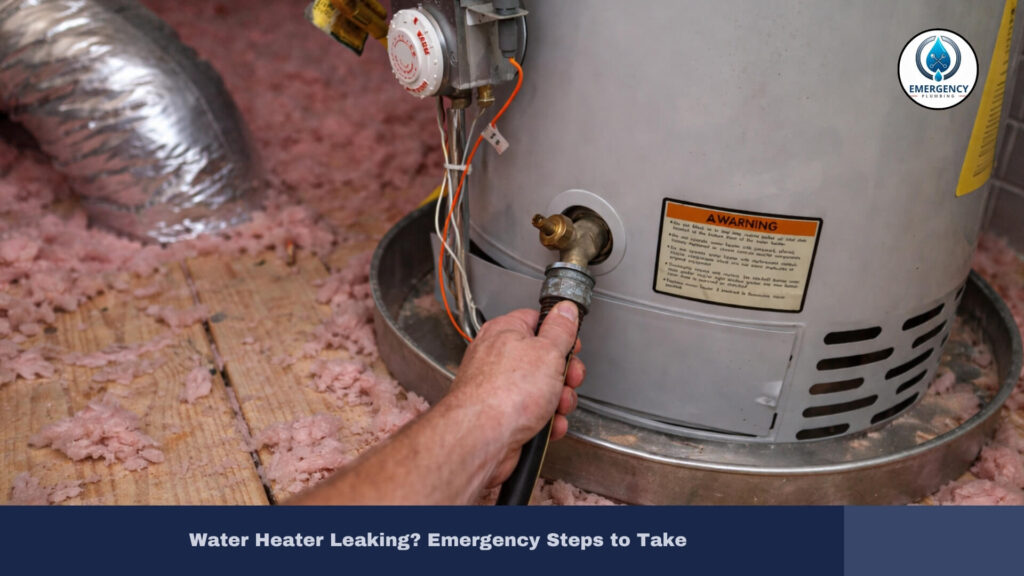
A leaking water heater can quickly lead to serious water damage, safety risks, and costly repairs if not handled immediately. Even a small drip can escalate into flooding within a short time, especially if left unattended. Acting fast helps minimize damage, protect your property, and keep your home safe. The key is to shut the system down properly, contain the leak, and determine whether it requires urgent professional attention.
Assess the Situation Safely
Start by observing the leak from a safe distance before taking any action. Avoid standing in water near the heater until you are certain the power has been switched off, as this can pose a serious electrical risk. Electric units can cause shock hazards, while gas heaters may present dangers if there is a noticeable gas odor. Look for visible signs such as pooling water, dripping connections, rust formation, or unusual sounds coming from the unit.
Turn Off the Power and Water Supply
Shutting down the system is the most important first step to prevent further damage. Switch off the breaker for electric heaters or turn the gas valve to the off position for gas models to eliminate safety risks. After that, close the cold water supply valve connected to the tank to stop additional water from entering. If the leak continues or the valve does not fully stop the flow, use the main shutoff valve for your property to completely cut off the water supply.
Identify the Source of the Leak
Carefully inspect where the water is coming from, as this will determine the next steps. Leaks from fittings, valves, or pipe connections are often minor and may be repairable with simple adjustments. However, water leaking from the bottom of the tank usually indicates internal corrosion or structural failure, which often requires replacement. Additional warning signs such as rusty water, sediment buildup, or reduced heating efficiency can point to a failing unit. In some cases, issues like pipe replacement & leak detection may be required if the problem extends beyond the heater itself.
Contain the Water to Prevent Damage
Containing the water early can significantly reduce the extent of damage to your home. Use towels, buckets, or a wet vacuum to stop water from spreading across floors and into nearby areas. Placing barriers around the leak can help protect walls, cabinets, and electrical outlets from exposure. Similar emergency responses are often used in situations involving burst pipes & emergency leak repairs, where immediate containment is critical.
Drain the Tank if the Leak Persists
If the leak continues or becomes more severe, draining the tank can help relieve pressure and limit further water escape. Attach a hose to the drain valve and direct the water to a safe drainage point such as a floor drain or outside area. Opening a nearby hot water tap allows air into the system, helping the tank drain more efficiently. Always proceed carefully, as the water inside the tank may still be hot and could cause burns. Problems like this may also overlap with hot water & boiler repairs, especially if the system is no longer heating properly.
Key Signs You Need Immediate Professional Help
- Water leaking from the bottom of the tank
- Strong or continuous water flow
- Repeated electrical issues or breaker trips
- Gas smell near the unit
- Older system showing visible corrosion
Take Immediate Action to Protect Your Home
A leaking water heater should never be ignored, as even a minor issue can quickly develop into a major emergency. Taking immediate steps such as shutting off power and water, identifying the source, and containing the leak can greatly reduce the risk of damage. In many cases, early action can be the difference between a simple repair and a full system replacement. Plumbing issues often go beyond a single appliance, including concerns like blocked drains & toilet unblocking or tap shower & faucet repairs, which may also require attention. For fast, safe, and professional assistance, it’s always best to rely on reliable emergency plumbers who can resolve the issue efficiently and restore your system without delay.