
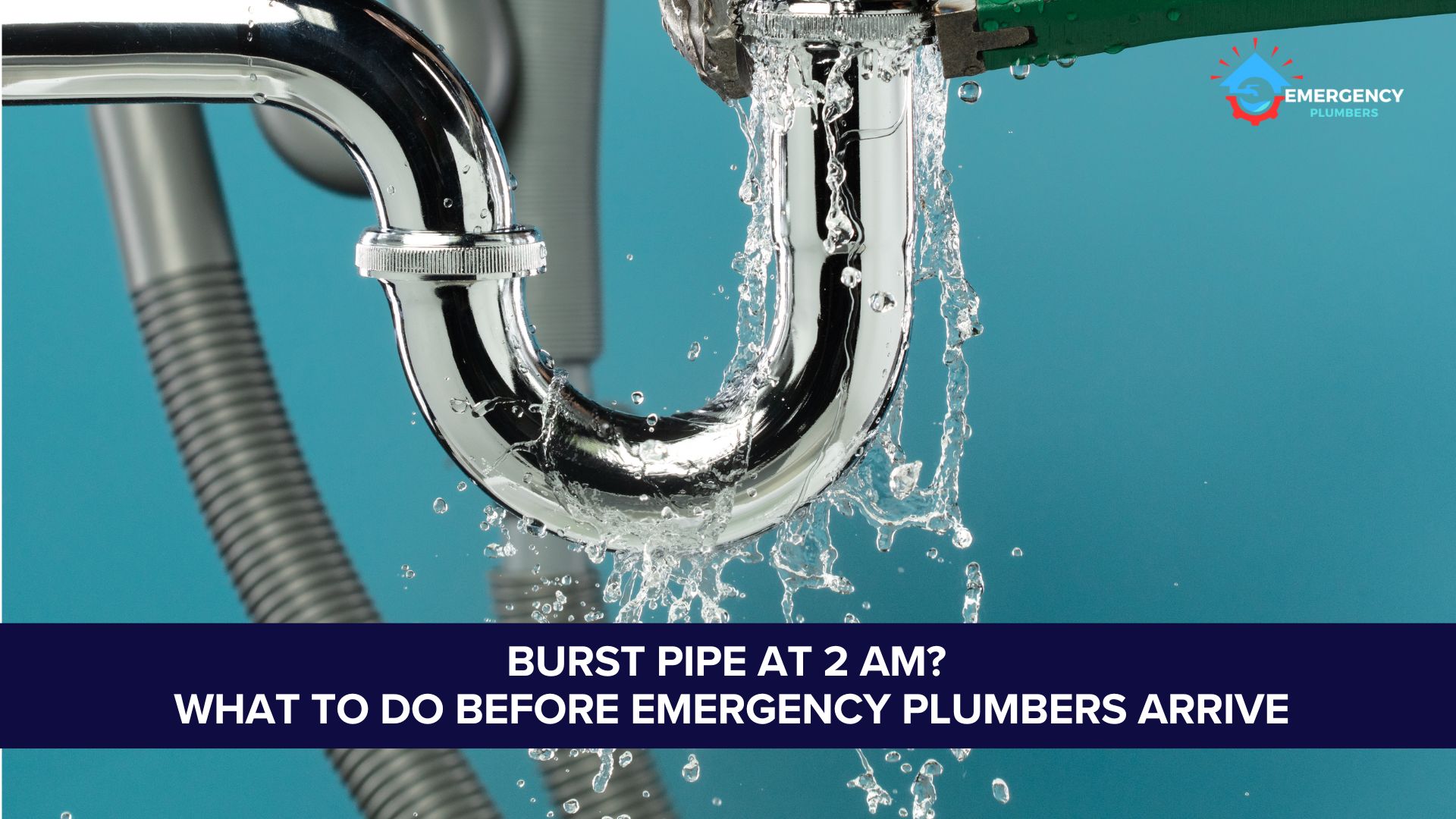
The immediate steps are to shut off the water, make the electrics safe, and move valuables out of harm’s way. These actions stop a small leak from becoming a major flood. Clear heads and simple tasks work best in the first minutes. Keep your phone charged and a torch handy so you can see valves and switches. With safety in hand, your next move is to stop the flow of water.
How do I shut off the water fast, and what if the stopcock won’t turn?
You shut off the water by turning the internal stopcock clockwise and, if needed, the outside stop tap at the boundary. Most stopcocks live under the kitchen sink or near the front door, so check there first. If the valve is stuck, wrap a cloth around it for grip and try a gentle quarter turn. Do not force a seized valve because it can snap and make things worse. If the water is still running, you can switch focus to electrical safety while you plan another way to isolate the supply.
Should I switch off the electricity, and which circuits matter most?
You should switch off the electricity if water is near sockets, lights, or the consumer unit because water and electricity are a dangerous mix. Turn off the main switch first, then isolate the affected circuits if the board is labelled. Keep your feet dry and stand on a rubber mat or thick towel while you operate the switches. If you see sparks or smell burning, step back and call for help from a safe place. Once power is secure, you can lower the water level around the home.
How do I reduce flooding right now? Drain taps, flush once, and isolate appliances.
You reduce flooding by opening cold taps at the lowest point in the home to drain the pipework. Flush the toilet once to empty the cistern and then leave it alone to avoid refilling. Please turn off the water to the washing machine and dishwasher at their isolation valves. Keep buckets under steady drips and swap them before they fill. With the water level falling, you can look for the source of the leak.
How do I locate the source burst pipe, leaking joint, or tank overflow?
You locate the source by following drips, trails, and damp patches back to the highest wet point you can find. A burst pipe often shows as a strong jet or a split with fine spray, while a leaking joint looks like a slow seeping ring. Loft tanks and cylinder cupboards can overflow and push water through ceiling light points. Use a torch and move slowly so you do not slip or miss a hidden run. When you know the area, you can contain the water more effectively.
How can I contain water safely, use buckets, towels, move furniture, and valuables?
You contain water by placing buckets under drips, laying towels to make barriers, and moving rugs, electronics, and soft furnishings away. Slide foil or baking trays under wooden legs to stop capillary damage. Keep walkways clear so you can move without trips and falls. Open windows slightly to reduce humidity and steam. With containment in place, you must judge any risk from bulging ceilings or walls.
Is it safe to touch a bulging ceiling or wall, or should I step away?
It is not safe to touch a bulging ceiling or wall because soaked plasterboard can collapse without warning. Stand well back and keep children and pets out of the room. Listen for creaks and look for sagging lines or cracks that get longer. If the ceiling bows, close the door and avoid the area until a professional inspects it. With danger zones marked, you can protect the heating system.
How do I protect the boiler and heating from turning off safely and closing valves?
You protect the boiler by turning off the boiler power and closing the boiler isolation valves if water is near the unit. Shut the feed and expansion line if you can access it safely, and close radiator valves in rooms that are flooding. Do not relight the boiler until everything is dry and checked. Note the boiler model and any error codes for later. With the system safe, a few simple temporary fixes can slow the leak.
What simple, safe temporary fixes can slow the leak (clamps, PTFE, self-fusing tape)?
You can slow a small weep with a pipe repair clamp, PTFE tape on a threaded joint, or self-fusing silicone tape wrapped tightly over a clean, dry section. Wipe the pipe first so the tape bonds, and apply in firm overlapping layers. Avoid open flames and do not use makeshift plugs that can blow out. These are short-term measures to limit damage, not a full repair. Once you have done what you can, it is time to make a clear call for help.
What should I tell the dispatcher when I call Emergency Plumbers?
You should tell the dispatcher your address, the best entrance, how you shut off the water, and exactly where the leak appears to be. Mention hazards like wet electrics, a bulging ceiling, or a vulnerable person in the home. Share any steps you have taken, such as isolating appliances or placing buckets. Give a contact number and keep the line free for updates. After the call, you can gather proof for any insurance claim.
What photos and notes help with insurance evidence, meter readings, and damaged items?
You help your claim with clear photos of the source, the path of water, and the damage to floors, walls, and belongings. Take a water meter reading and note the times of key actions like shut off and power down. Keep serial numbers for appliances that got wet and save receipts for emergency items. Store images in a single album so they are easy to send. If you live in shared housing, quick notices can prevent wider harm.
I live in a flat that I rent. Who must I notify, and who handles out-of-hours costs?
You should notify neighbours below you, the building manager, and your landlord if you rent, because leaks often travel. Check your tenancy agreement for out-of-hours reporting rules and emergency contacts. Keep a note of who you called and when for later reference. Ask the landlord about cost responsibilities once things are stable. In cold weather, you may also face frozen sections that need care.
It’s freezing. Should I try to thaw pipes, and how do I avoid making it worse?
You should only try to thaw gently with warm towels or a hairdryer on a low setting and never with an open flame. Start at the tap end and move along the pipe so steam can escape. Open cabinet doors to let warm air in and keep the room at a steady temperature. If a pipe has already split, focus on containment and shut off rather than thawing. While you wait for help, small tasks can make the home safer.
What can I do while I wait, ventilate, mop safely, and prevent slips?
You can ventilate by cracking windows and running a fan to move air across wet areas. Mop in small sections and wring often so floors do not stay slick. Put towels at thresholds and warn family about slippery zones. Keep pets in a dry room to avoid panic and muddy footprints. With the home stable, it helps to understand nighttime costs.
What nighttime costs and callout times are typical, and how do I avoid scams?
Nighttime call-outs often cost more due to out-of-hours labour and travel, and wait times vary by location and weather. Ask for a clear rate, any minimum charge, and an ETA before you agree. Share a landmark and parking details to reduce delay. Do not pay a large cash deposit at the door, and always ask for a receipt. Once the visit is complete, careful drying protects the structure.
After the visit: How do I dry the property and prevent mould?
You dry the property by running dehumidifiers, keeping steady airflow, and lifting soaked carpets or underlay to check subfloors. Wash and disinfect hard surfaces and replace damp plasterboard where required. Move furniture away from walls to let air circulate. Monitor humidity with a simple meter and aim for a steady drop over days. When things are dry to the touch, you can think about restoring services.
When is it safe to turn water and power back on, and what checks should I do first?
It is safe to restore water and power when all wet areas near electrics and controls are dry and inspected. Check sockets and light fittings for moisture stains and leave suspect ones off. Turn the water on slowly and watch for fresh drips at joints and valves. Bleed radiators gently if the system was drained. With services steady, prevention becomes the priority, including making your plumbing child-safe for extra peace of mind.
What follow-up prevents a repeat: lagging pipes, leak checks, and stopcock maintenance?
Follow up by lagging exposed pipes, insulating loft spaces, and fitting a pressure-reducing valve if the mains pressure is high. Service ball valves and float valves in tanks and replace worn washers and olives. Exercise the stopcock every few months so it turns freely when needed. Consider a leak detection survey if bills are high or if you have a history of hidden leaks. With these steps in place and help from emergency plumbing services you can end the night with a clear plan.
What’s the simplest plan to stay safe, limit damage, and get fast help tonight?
The simplest plan is to shut off the water, make the electrics safe, and move valuables before you start basic containment. Take clear photos, note times, and call for help with precise details about shutoffs and hazards. Keep air moving, mop in short bursts, and avoid risky ceilings until a professional checks them. Dry the home fully and add pipe lagging and stopcock maintenance to prevent repeat leaks. With calm steps and good information, you protect your home, cut damage, and make the fix faster, even at 2 am.